

Mobile App Development
iOS and Android app development with React Native and Flutter, from UX design and prototype to App Store launch, plus Unity for 3D mobile showrooms.

When your customer journey needs more than a mobile website, an app can help. Miracle builds iOS and Android apps for new products, customer services and enterprise teams, using one shared codebase to keep costs and timelines under control.
For Afontane, we built a Unity mobile showroom that lets sales teams and customers explore products in 3D on their phones. We also connect apps to your existing website, CMS or business systems through APIs.
We design for how people actually hold and use their phones, and test on real devices before release. Related projects: Afontane and Oodles Smart.
Define the mobile app MVP before choosing the build
Miracle provides mobile app development in Hong Kong for iOS and Android, with React Native and Flutter among the available approaches. Start with the task users must complete and whether a responsive website could meet it. Device features, offline behaviour, integrations and release requirements should guide the technology choice.
For an MVP, agree the essential user journeys, screens, account roles and API connections. Identify who supplies content, designs, test data and access to existing systems. Record the supported devices, acceptance tests and what is deferred to a later phase.
Make launch and ongoing ownership explicit
The proposal should define the build, test versions, source-code handover arrangements and store-submission responsibilities. App-store accounts, review decisions, third-party licences, hosting, maintenance and future feature work each need an owner and an agreed scope. A store submission is subject to the platform’s review.
Relevant Miracle work
Afontane — Unity mobile showroom: Eight designed interiors and touch-led exploration of a bedding collection, delivered as a Unity mobile experience.
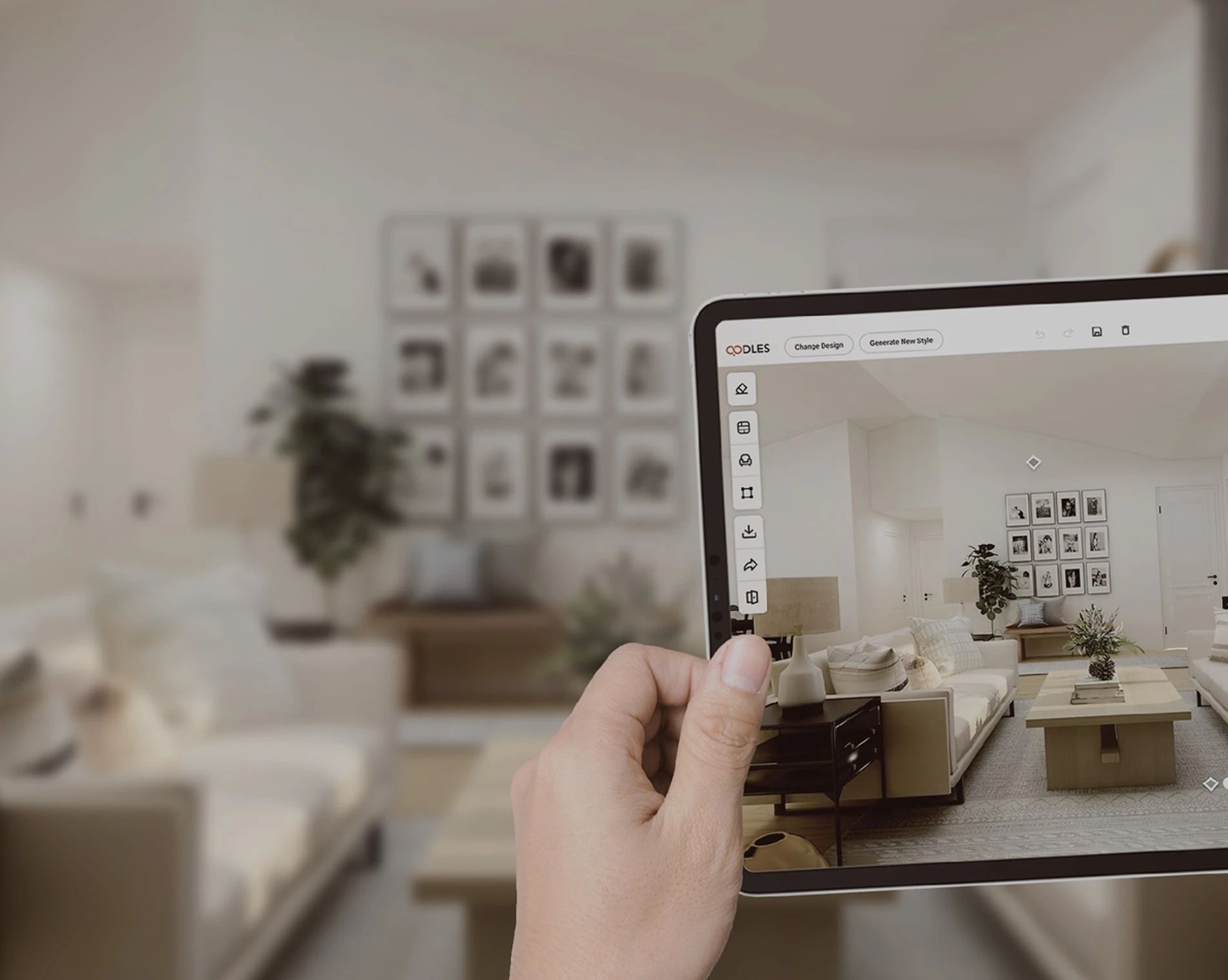
Oodles Smart — related web platform: AI-assisted room visualisation and supplier product management. This is related product and web-platform work, not a claimed Flutter or native app case.
Why teams choose this service
- 01
Conversion-focused UX/UI
User flows and interfaces designed around what users need to get done.
- 02
One codebase, two platforms
Cross-platform builds for iOS and Android with React Native or Flutter.
- 03
Store-ready
Apps prepared for App Store and Google Play review and release.
- 04
You own the code
Source code and copyright can be transferred to you at handover.
- 05
React Native and Flutter development
- 06
Unity mobile showrooms
- 07
App UX/UI design and MVP planning
- 08
App Store and Google Play release, API integration
From brief to launch, step by step
- 01
Task & MVP scope
Agree users, the essential journeys, platforms, integrations and success criteria.
- 02
Prototype & technical plan
Review the interface and API dependencies before committing to the build.
- 03
Build & acceptance testing
Implement the agreed features and test on the devices and scenarios in scope.
- 04
Release & handover plan
Agree store submission, account ownership, source handover and any separate maintenance arrangement.
Questions we often hear
Do we need an app or a responsive website?
Start with the user task, frequency of use and required device features. A website may be enough for information and simple enquiries. An app may be appropriate for a recurring service or device-specific workflow. The decision and MVP should be scoped before development.
How do you choose between Flutter, React Native and Unity?
The choice depends on the interface, device capabilities, existing systems and maintenance needs. Flutter and React Native are options for cross-platform apps. Our published Afontane mobile showroom used Unity for a 3D experience; that case is not evidence of a Flutter build.
Can the app connect to our website or CMS?
Connections depend on available APIs, authentication and data permissions. Share documentation and identify the systems’ owners so required integration work and access can be assessed.
What is included in an MVP?
The agreed scope lists the core user journeys, screens, platforms, integrations, test criteria and handover items. Store submission, hosting, licences, support and later features should be identified separately, with responsibilities and fees agreed in the proposal.
How long will development and store approval take?
Timing depends on the agreed features, assets, integrations and review stages. Store approval is controlled by Apple or Google. We plan the submission responsibilities and dependencies rather than promise a fixed approval date.
Ready to talk about Mobile App Development?
Describe the user task, essential MVP features, iOS or Android requirements, existing APIs and account ownership. Include any release, hosting and maintenance needs.