

AI in video production: what really changes for brand films in 2026
AI now speeds up previs, versioning and subtitles, but direction, casting and brand judgement still decide whether a film works. Here is how we use it.
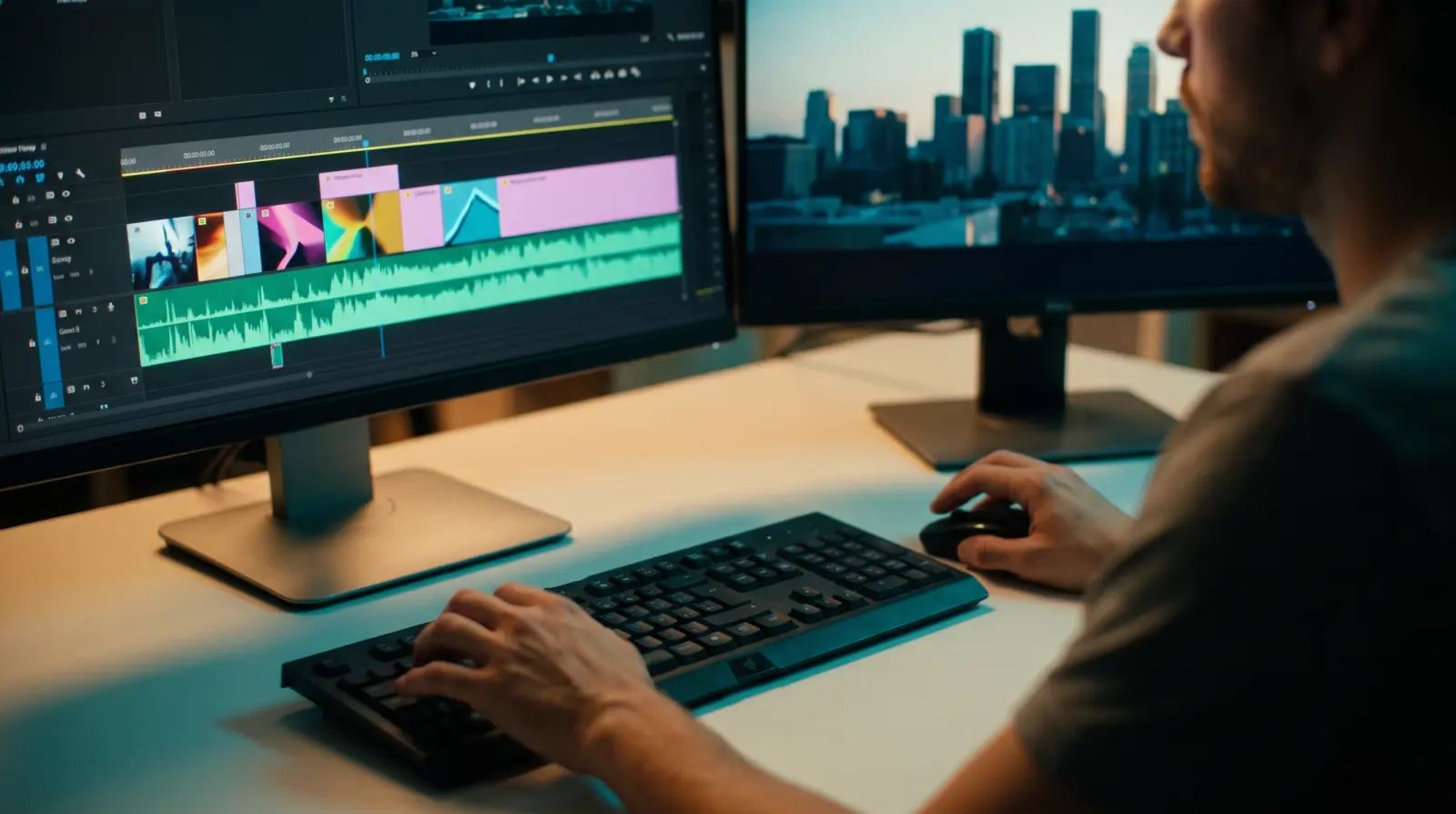
- Use AI where it removes waiting: previs, rough cuts, transcripts, subtitles and language versions.
- Keep people on the decisions audiences notice: story, casting, performance, look and final approval.
- Agree usage rights and review stages for AI-assisted material at the brief, not at delivery.
Two years ago most AI video demos were novelty clips. In 2026 the tools are part of ordinary post-production software, and clients reasonably ask what that means for budget, timing and quality.
Our short answer: AI makes a good production process faster. It does not replace the process, and it cannot rescue a weak brief.
Where AI genuinely saves time
On live projects we see the clearest gains in the stages that used to involve waiting:
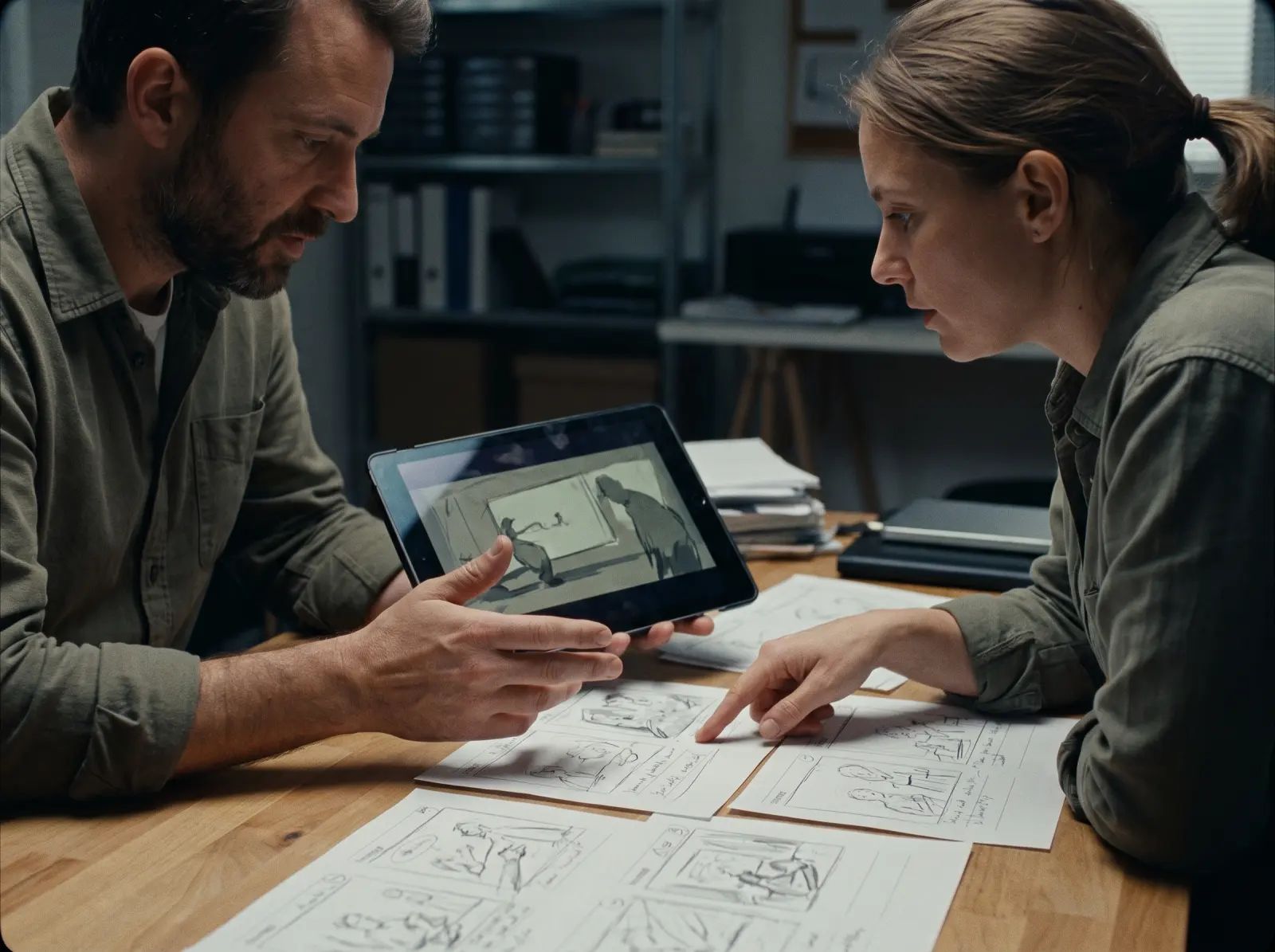
- Previsualisation: turning storyboard frames into rough animated previews, so everyone can judge the pacing before the shoot day.
- Logging and rough cuts: searchable transcripts and scene detection get you to a first edit faster.
- Subtitles and language versions: AI drafts the transcription and translation, then people who know the audience check every line.
- Versioning: shorter cuts and vertical or square formats for social media, all from one master edit.
What still needs a director
Audiences respond to performance, casting, rhythm and a consistent look. Those are judgement calls about your brand, not tasks to automate.
For service explainers in utilities, banking and insurance, accuracy matters as much as style. Every AI draft, translated subtitle or synthetic voice is checked against the approved script before release.
A practical workflow for 2026 briefs
- Brief: define the audience, purpose, deliverables and budget, and agree where AI-assisted material is acceptable.
- Pre-production: script and storyboard as usual; use previs to test pacing early.
- Production: shoot or animate the hero content with the crew and cast the story needs.
- Post: AI-assisted logging, rough cuts and subtitle drafts, then human edit, grade, sound and review.
- Delivery: approve the master, then generate versions and language cuts from it.
Rights, disclosure and review
Agree at the outset which tools may be used, who owns generated material and whether any synthetic voice or likeness is allowed. Build those decisions into the review stages rather than discovering them at delivery.
Frequently asked questions
Does AI make video production cheaper?
It usually shortens post-production and versioning. Shoot days, casting and creative direction still drive most of the budget.
Can AI replace filming for a brand film?
For some abstract visuals, partly. For people, products and places your audience recognises, filmed or carefully animated material is still more convincing.
How do you check AI-generated subtitles and translations?
Drafts are reviewed against the approved script by people fluent in each language before final export.
Planning something similar?
Talk to Miracle