

VR & 360° Experiences
VR showrooms, 360° virtual tours and interactive 3D experiences for venues, products and brand stories.
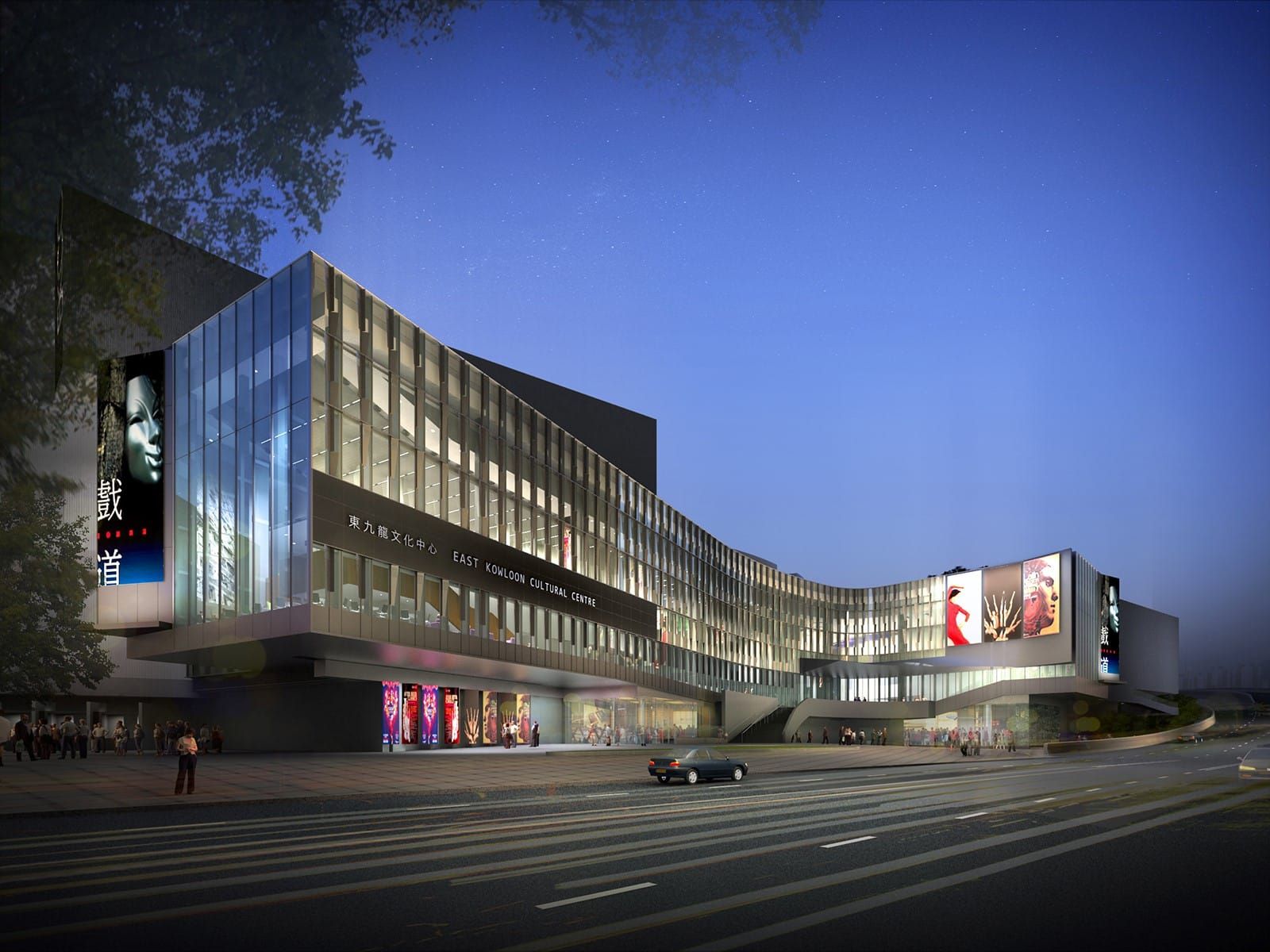
When people need to understand a space, a photo is not enough. Miracle creates immersive experiences that let your audience explore it for themselves. For East Kowloon Cultural Centre, we built a browser-based VR showroom so partners could tour the theatres and training spaces before the venue opened.
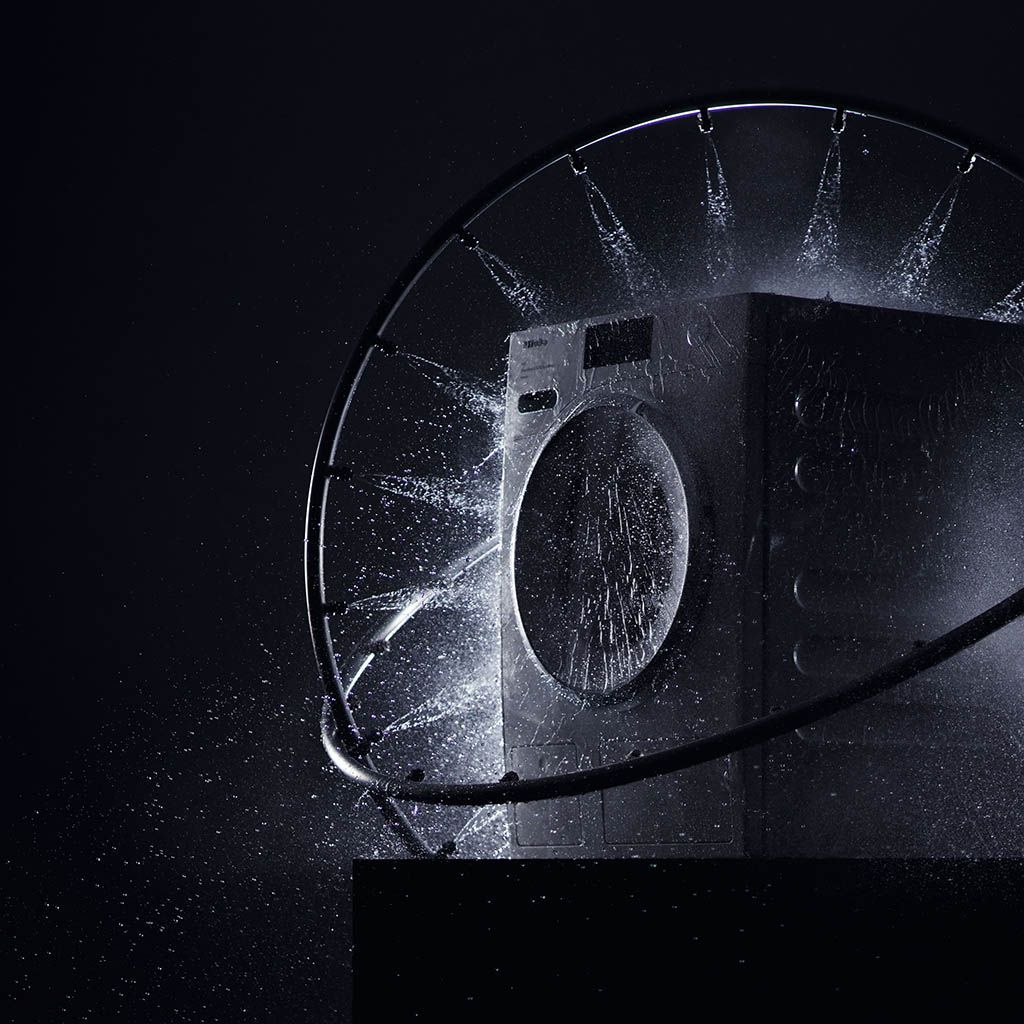
In retail, Miele customers design their kitchen in a Web VR showroom and ColourLiving shoppers explore furniture in 3D rooms. Afontane takes the same idea to mobile with a Unity app.
Our Creative team designs the story and the experience, and our Digital team builds the Web VR or Unity platform when you need a long-term, interactive showroom.
Choose the VR experience around your audience
Miracle creates browser-based VR showrooms, 360° tours and interactive 3D experiences in Hong Kong. A browser experience lets people explore through a link on agreed desktop and mobile devices. A headset experience needs a separate device, interaction and deployment plan; headset support is not implied by a browser build.
360° photography captures viewpoints in an existing space. A 3D environment is built from models and can present a venue before completion or support product and material changes. The right approach depends on access to the space, available assets and the interactions visitors need.
What to prepare for a VR brief
Share the audience, use case, target devices and required languages, together with floor plans, reference photographs, brand assets and approved product or venue information. Tell us which 3D models or CAD files already exist and whether you have permission to use them. For photography, identify site access and any areas that must remain private.
Agree the rooms, viewpoints, hotspots, navigation, accessibility alternatives and integrations before production. Asset creation, revisions and testing should be listed in the proposal rather than assumed to be unlimited.
Relevant Miracle work
East Kowloon Cultural Centre: A browser-based VR showroom used 3D production and panoramic exploration to introduce theatres and training spaces before the venue opened.
Why teams choose this service
- 01
VR showrooms and virtual tours
- 02
360° photography and panoramas
- 03
3D storytelling for venues and products
- 04
Web VR and Unity builds with our Digital team
From brief to launch, step by step
- 01
Audience & device plan
Define the visitor task, browser or headset route, target devices and acceptance criteria.
- 02
Assets & experience design
Review floor plans, models and site access; agree scenes, navigation, hotspots and content.
- 03
Capture or 3D production
Create the agreed panoramas or 3D environments and build the interactions.
- 04
Device testing & review
Check the agreed browsers or headsets, navigation, loading and content accuracy.
- 05
Launch & responsibility handover
Confirm deployment, hosting account ownership, licences, update access and the agreed support scope.
Questions we often hear
Do visitors need a VR headset?
A browser-based showroom can be explored without a headset on the devices agreed for the project. If headset use is required, specify the device and how the experience will be installed or accessed so compatibility and controls can be scoped separately.
Should we use 360° photography or a 3D environment?
Photography suits an existing space that can be accessed and captured. A modelled 3D environment can show an unbuilt venue or configurable products. Share the space, available models and required interactions so we can assess the production needed.
What assets do you need from us?
Start with the brief, floor plans, reference photographs, approved copy and brand assets. Include any existing CAD or 3D models, their usage rights, required languages and target devices. We identify missing assets and agree who creates or supplies each item.
Who handles hosting and later updates?
The proposal should name the hosting and domain account owner, software or platform licence costs, deployment responsibilities and who can update content. Ongoing hosting, maintenance, new scenes and content changes require an agreed scope and fees; they are not automatically included indefinitely.
What determines the VR project timeline?
The number of spaces, asset readiness, capture access, interactions, device testing and approval stages affect the schedule. These are agreed with the deliverables and review rounds before production.
Ready to talk about VR & 360° Experiences?
Share the spaces or products to explore, existing plans or models, target browsers or headsets, and your intended launch date. Include hosting and update requirements in the brief.